
Prevent Costly Payroll Errors: Expert Tips for Accuracy
Avoid These Common Payroll Mistakes That Can Cost Your Small Business Money: Expert Tips for Accurate Payroll Management

Managing payroll is a critical function for small businesses, yet many owners fall prey to common mistakes that can lead to significant financial repercussions. According to the IRS, nearly 40% of small businesses incur payroll tax penalties each year, often due to avoidable errors in filing or deposits. Understanding these pitfalls is essential for maintaining compliance and ensuring employee satisfaction. This article will explore frequent payroll errors, strategies for prevention, and best practices for compliance, helping you safeguard your business against costly mistakes. By addressing issues such as employee misclassification and payroll tax compliance, you can streamline your payroll processes and avoid penalties. We will also discuss the importance of accurate record-keeping and when to consider outsourcing payroll services.
Identification of Frequent Errors
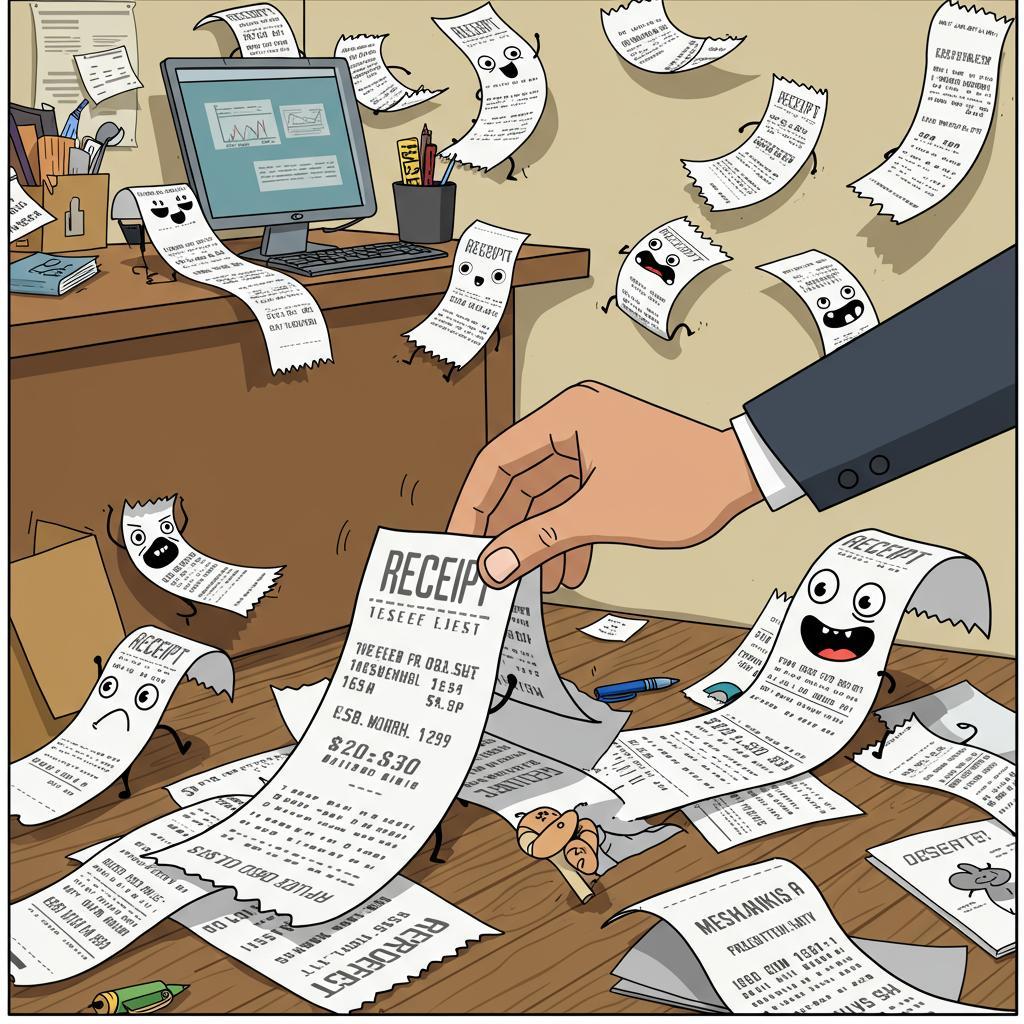
Small businesses often encounter several payroll errors that can have serious consequences. Recognizing these mistakes is the first step toward prevention. Research from the American Payroll Association suggests that manual payroll processes can be prone to error rates as high as 1–8% of total payroll. Common payroll errors include:
Incorrect Employee Classification: Misclassifying employees as independent contractors can lead to tax liabilities and penalties.
Data Entry Errors: Simple mistakes in data entry can result in incorrect paychecks, affecting employee trust and satisfaction.
Failure to Update Payroll Information: Not keeping employee information current can lead to issues with tax filings and compliance.
By identifying these frequent errors, businesses can take proactive measures to avoid them.
📌 Key Takeaway: Even small, repeated payroll mistakes can compound into large year-end liabilities and damaged employee relationships.
Strategies for Prevention
Implementing effective strategies can significantly reduce the likelihood of payroll mistakes. Here are some key strategies to consider:
Regular Training for Payroll Staff: Ensuring that your payroll team is well-trained on current laws and software can minimize errors.
Utilizing Technology: Investing in reliable payroll software can automate calculations and reduce human error.
Conducting Regular Audits: Periodic audits of payroll processes can help identify and rectify issues before they escalate.
To further enhance your payroll management, consider scheduling a free consultation with Cal The Bookkeeper, a specialized bookkeeping and financial services provider focused on small to medium-sized businesses. You can also explore related insights in our article on best practices for bookkeeping and our guide to small business tax planning strategies to strengthen your overall financial operations.
💡 Pro Tip: Document your payroll procedures in a simple checklist. Studies in operations management show that checklists can cut process errors by more than 30%, especially in repetitive administrative tasks.
Best Practices for Compliance

Maintaining compliance with payroll regulations is crucial for avoiding penalties. Here are some best practices to follow:
Understanding Tax Deadlines: Familiarize yourself with federal, state, and local tax deadlines to ensure timely filings.
Maintaining Accurate Records: Keep detailed records of employee hours, wages, and tax withholdings to support compliance efforts.
Utilizing Professional Services: Engaging with a professional bookkeeping service can provide expertise and reduce the risk of errors.
“Accurate, timely payroll is one of the most visible signals of organizational reliability. When employees are paid correctly and on time, trust in leadership and systems rises measurably.”
— Society for Human Resource Management (SHRM), Payroll & Compliance Insights, 2023
Consequences of Payroll Errors
The repercussions of payroll errors can be severe, impacting both finances and employee morale. Key consequences include:
Increased Costs: Errors can lead to overpayments or underpayments, resulting in financial losses.
Compliance Risks: Failing to comply with payroll regulations can result in fines and legal issues.
Operational Disruptions: Payroll errors can disrupt business operations and lead to employee dissatisfaction.
Understanding the various forms of payroll fraud is crucial for businesses to protect themselves from significant financial and reputational damage.
Payroll Fraud: Types, Risks & Prevention Strategies
The research paper examines four major types of fraud that can occur within an organization’s payroll and personnel cycles, each posing significant financial and reputational risks. The first type, payroll deductions fraud, involves the unauthorized manipulation of employee withholdings, such as taxes or benefits, leading to misappropriated funds. The second, ghost-employee fraud, occurs when fictitious employees are added to the payroll, allowing fraudsters to collect salaries unlawfully. The third category, employee incentives and welfare fraud, includes falsified claims for bonuses, overtime, or medical reimbursements, exploiting company benefits for personal gain. Lastly, undue pay ratings and placements fraud involves the deliberate inflation of employee salaries or unjust promotions, often due to collusion between staff and HR personnel.
AN EXAMINATION OF FRAUD, PAYROLL/PERSONNEL CYCLE AND PREVENTIVE STRATEGIES, 2024
⚠️ Warning: The Association of Certified Fraud Examiners (ACFE) reports that payroll fraud schemes often last more than two years before detection, making early controls and audits especially important for small businesses.
What Are the Most Costly Payroll Errors Small Businesses Make?
Understanding the most costly payroll errors can help businesses avoid significant financial pitfalls. Some of the most common mistakes include:
Misclassification of Employees: This can lead to back taxes and penalties if employees are incorrectly classified.
Failure to Withhold Taxes: Not withholding the correct amount of taxes can result in hefty fines from tax authorities.
Inaccurate Reporting: Errors in payroll reporting can lead to compliance issues and financial penalties.
“Many small employers underestimate the cost of a single serious payroll mistake. Between back wages, interest, penalties, and professional fees, a misstep can easily reach five figures for even a modest-sized business.”
— U.S. Small Business Administration, Compliance & Payroll Brief, 2022
How Does Employee Misclassification Impact Payroll Compliance?
Employee misclassification can have serious implications for payroll compliance. Misclassifying employees as independent contractors can lead to:
Further insights reveal that misclassification not only deprives workers of essential protections but also exposes employers to substantial financial penalties and lost tax revenues.
Employee Misclassification: Costs, Penalties & Payroll Fraud
Employers wrongly label their employees as independent contractors – a phenomenon known as misclassification – in many industries throughout the United States. Misclassification deprives workers of the protection of numerous labor and employment laws. Misclassified workers don’t pension and health benefits, and are not covered by unemployment insurance and workers’ compensation funds. Employers save 30% on payroll costs, including these fund contributions as well as social security and other taxes. Partly in response to lost tax revenues, states and the Federal government have begun to pass laws and boost enforcement of employment laws, resulting in growing penalties on employers for what is now labeled “payroll fraud.”
Misclassification: Workers in the borderland, 2014
Legal and Financial Consequences: Businesses may face lawsuits and fines for failing to comply with labor laws.
Types of Misclassification: Common misclassifications include treating employees as contractors or failing to recognize exempt vs. non-exempt status.
Potential Penalties: Misclassification can result in back taxes, interest, and penalties owed to tax authorities.
📌 Key Takeaway: The U.S. Department of Labor has made misclassification enforcement a priority, so “gray area” worker status decisions should always be reviewed with a professional.
Which Payroll Tax Mistakes Lead to Penalties?
Several payroll tax mistakes can lead to penalties for small businesses. Key mistakes include:
Misclassification of Employees: As previously mentioned, this can lead to significant tax liabilities.
Failure to Withhold Taxes: Not withholding the correct amount can result in penalties from the IRS.
Late Tax Filings: Missing tax deadlines can incur fines and interest charges.
The IRS notes that payroll tax penalties most commonly arise from late deposits and incorrect deposit amounts, emphasizing the importance of accurate scheduling and cash flow planning for employers.
— Internal Revenue Service, Publication 15 (Circular E), Employer’s Tax Guide
How Can Small Businesses Ensure Payroll Tax Compliance?
To ensure payroll tax compliance, small businesses should adopt the following practices:
Regular Communication with Payroll Provider: Maintain open lines of communication with your payroll provider to stay informed about compliance requirements.
Monitor Compliance: Regularly review payroll processes to ensure adherence to tax laws and regulations.
Understand Tax Deadlines: Keep track of important tax deadlines to avoid late filings.
💡 Pro Tip: Sync your payroll calendar with your accounting and banking calendars so cash requirements and tax due dates are always visible in one place.
How to Avoid Common Payroll Tax Filing Errors?
Avoiding payroll tax filing errors requires diligence and attention to detail. Here are some strategies:
Proper Employee Classification: Ensure that all employees are classified correctly to avoid tax issues.
Accurate Payroll Calculations: Double-check calculations to ensure accuracy in tax withholdings.
Stay Informed on Tax Deadlines: Keep a calendar of tax deadlines to ensure timely filings.
What Best Practices Prevent Common Payroll Problems for Startups?
Startups can benefit from implementing best practices to prevent payroll problems. Key practices include:
Regular Training: Provide ongoing training for payroll staff to keep them updated on regulations.
Utilizing Advanced Payroll Software: Invest in software that automates payroll processes and reduces errors.
Conducting Periodic Audits: Regular audits can help identify potential issues before they become significant problems.
Early-stage companies that formalize basic HR and payroll processes are significantly less likely to face wage-and-hour disputes as they grow, according to longitudinal studies of startup governance.
— Journal of Entrepreneurship & Public Policy, Startup Compliance Review, 2021
How Does Payroll Software Integration Reduce Errors?
Integrating payroll software can significantly reduce errors in payroll processing. Key benefits include:
Automated payroll systems are increasingly adopted by organizations to overcome the challenges of manual processes, leading to improved accuracy and efficiency in managing employee compensation.
Automating Payroll: Reduce Errors & Boost Accuracy
A Payroll System is an essential component of human resource and financial management in any organization. Traditional payroll processes are often manual and time-consuming, leading to errors, delays, and inefficiencies. To overcome these challenges, organizations are increasingly adopting computerized payroll systems that automate payroll processing and improve accuracy. The proposed Payroll System is designed to simplify and automate the management of employee salary records. The system maintains employee details, attendance records, salary structures, and statutory deductions such as taxes and provident funds. By integrating these components, the system automatically calculates gross salary, deductions, and net pay, ensuring transparency and reliability in payroll management.
AN ANALYTICAL STUDY OF PAYROLL SYSTEMS AND THEIR ROLE IN EFFICIENT EMPLOYEE COMPENSATION MANAGEMENT, 2026
Automation of Calculations: Software can automate complex calculations, minimizing human error.
Real-Time Reporting: Access to real-time data allows for immediate corrections and adjustments.
Enhanced Compliance: Payroll software often includes compliance features that help ensure adherence to regulations.
💡 Pro Tip: Choose payroll software that integrates with your time-tracking and accounting tools to eliminate duplicate data entry and reduce reconciliation work.
Why Is Accurate Payroll Record Keeping Essential?
Accurate payroll record keeping is vital for several reasons:
Financial Accuracy: Maintaining precise records ensures that financial reports are accurate and reliable.
Compliance with Regulations: Accurate records support compliance with tax laws and labor regulations.
Common Pitfalls from Inadequate Record Keeping: Poor record keeping can lead to errors, penalties, and legal issues.
Labor agencies routinely rely on employer payroll records as primary evidence in wage-and-hour investigations, which makes organized, accurate documentation a critical defense tool for businesses.
— U.S. Department of Labor, Wage and Hour Division Compliance Guide
When Should Small Businesses Consider Outsourcing Payroll Services?
Outsourcing payroll services can be beneficial for small businesses under certain conditions. Consider outsourcing when:
Complexity of Payroll: If payroll processes become too complex to manage in-house, outsourcing may be a viable option.
Use of Spreadsheets: Relying on spreadsheets can increase the risk of errors; professional services can provide more reliable solutions.
Missed Deadlines: If your business struggles to meet payroll deadlines, outsourcing can help ensure timely processing.
📌 Key Takeaway: Many owners find that once they reach even 5–10 employees, the time and risk involved in DIY payroll outweigh the cost of outsourcing to a specialist.
What Are the Benefits of Professional Payroll Bookkeeping?
Engaging professional payroll bookkeeping services offers several advantages:
Cost Savings: Outsourcing can reduce overhead costs associated with maintaining an in-house payroll team.
Access to Expertise: Professional bookkeepers bring specialized knowledge that can enhance payroll accuracy.
Time Efficiency: Outsourcing payroll frees up time for business owners to focus on core operations.
To further illustrate the benefits, consider exploring best practices for bookkeeping, which can significantly improve your financial management.
How Does Expert Payroll Consulting Help Avoid Costly Mistakes?
Expert payroll consulting can provide valuable insights to help businesses avoid costly mistakes. Key benefits include:
Identifying Common Errors: Consultants can pinpoint frequent mistakes and recommend corrective actions.
Implementing Best Practices: Experts can help establish best practices tailored to your business needs.
Enhancing Compliance: Consulting services can ensure that your payroll processes align with current regulations.
“For many small firms, partnering with an experienced payroll advisor is one of the most effective ways to reduce compliance risk and free up leadership time for growth-focused activities.”
— Journal of Small Business Management, Payroll Outsourcing & Risk Mitigation Study, 2020
About Calicia Landry: Expert Bookkeeper and Payroll Advisor

With over 15 years of bookkeeping experience, Calicia Landry is an Intuit Quickbooks Gold Level Pro Advisor and a Certified Intuit Quickbooks Payroll Pro Advisor. Her personalized approach focuses on building strong, long-term partnerships and understanding each business' unique needs.
Connect with Calicia on LinkedIn to learn more about how she can help your business achieve accurate and compliant payroll management.


