
Avoid Costly Bookkeeping Mistakes in Your Business
Common Bookkeeping Mistakes Small Business Owners Make and How to Avoid Them

Bookkeeping is a critical aspect of running a small business, yet many owners struggle with common errors that can lead to significant financial repercussions. Understanding these mistakes is essential for maintaining accurate financial records and ensuring compliance with tax regulations. This article will explore the most frequent bookkeeping errors small business owners encounter, the implications of these mistakes, and effective strategies to avoid them. By addressing these issues, business owners can streamline their financial management processes and enhance their overall operational efficiency. We will cover topics such as expense misclassifications, the importance of bank reconciliations, and the role of professional bookkeeping services.
Indeed, the significance of robust financial management for the growth and sustainability of small and medium-sized enterprises cannot be overstated.
Financial Management Challenges & Best Practices for SMEs
The object of research is the importance of monetary management in Small and Medium-sized Enterprises (SMEs), specializing in challenges, best practices, and future trends. Financial management in SMEs is an important aspect that influences their growth, sustainability, and competitiveness. The paper begins by defining SMEs and highlighting the significance of financial management for their success. It emphasizes the need for SME owners to understand financial concepts, make informed decisions, and prioritize financial planning to ensure sound business operations.
The importance of financial management in small and medium-sized enterprises (SMEs): an analysis of challenges and best practices, 2023
What Are the Most Frequent Bookkeeping Errors Small Businesses Encounter?
Small businesses often face a variety of bookkeeping errors that can hinder their financial health. These mistakes can range from simple data entry errors to more complex issues like misclassifying expenses. Identifying these common errors is the first step in preventing them and ensuring accurate financial reporting.
Which Expense Misclassifications Cause Financial Reporting Issues?
Expense misclassification occurs when business owners categorize expenses incorrectly, leading to distorted financial statements. Common misclassifications include:
Personal Expenses as Business Expenses: Mixing personal and business expenses can lead to inaccurate profit calculations and tax liabilities.
Misclassifying Capital Expenditures: Failing to distinguish between capital expenditures and operational expenses can affect cash flow analysis and tax deductions.
Incorrectly Categorizing Employee Expenses: Misclassifying employee-related expenses can lead to payroll inaccuracies and compliance issues.
These misclassifications can significantly impact financial reporting, making it essential for small business owners to understand proper categorization.
📌 Key Takeaway: The International Federation of Accountants notes that consistent expense classification is a cornerstone of reliable financial reporting and is critical for lenders and investors who rely on small business financial statements.
How Do Missed Bank Reconciliations Impact Cash Flow?

Missed bank reconciliations can create discrepancies between a business's financial records and actual bank statements. This oversight can lead to several issues, including:
Cash Flow Problems: Without regular reconciliations, business owners may not have an accurate picture of their cash flow, leading to potential overdrafts or insufficient funds for expenses.
Increased Risk of Fraud: Failing to reconcile accounts regularly can make it easier for fraudulent transactions to go unnoticed.
Difficulty in Financial Planning: Inaccurate cash flow data can hinder effective budgeting and forecasting.
Regular bank reconciliations are crucial for maintaining financial clarity and ensuring that cash flow remains healthy.
“Frequent reconciliations are one of the most effective internal controls small entities can implement to detect errors and fraud early.”
— Association of Certified Fraud Examiners, Small Business Fraud Prevention Checklist
How Can Small Business Owners Prevent Bookkeeping Mistakes?
Preventing bookkeeping mistakes requires a proactive approach and the implementation of best practices. By adopting effective strategies, small business owners can minimize errors and enhance their financial management.
What Are Best Practices for Accurate Financial Record Keeping?
To maintain accurate financial records, small business owners should consider the following best practices:
Regular Reviews: Schedule periodic reviews of financial records to identify and correct errors promptly.
Organizing Financial Documents: Keep financial documents organized and easily accessible to streamline the bookkeeping process.
Scheduling Updates with a Bookkeeper: Regular consultations with a professional bookkeeper can help ensure that records are accurate and up-to-date.
Implementing these practices can significantly reduce the likelihood of bookkeeping errors.
These best practices are crucial, as research consistently highlights the direct link between effective financial management skills and the success of small businesses.
SME Financial Management Skills & Practices for Success
Research has shown that the lack of financial management skills and application of financial management practices are some of the biggest factors contributing to SME failure. However, it is not clear from the literature which of these skills and practices are more important than others. This study aims to fill this gap by determining which financial management skills are relevant for successful SMEs.
Financial management practices in successful Small and Medium Enterprises (SMEs), HP Wolmarans, 2015
💡 Pro Tip: A review in the Journal of Small Business Management found that SMEs that formalize simple routines—like monthly reviews and document filing systems—report significantly fewer accounting errors and better access to financing.
Which Bookkeeping Software Features Help Reduce Errors?
Utilizing the right bookkeeping software can greatly enhance accuracy and efficiency. Key features to look for include:
Automated Data Entry: Software that automates data entry can minimize human error and save time.
Expense Tracking: Tools that allow for easy categorization and tracking of expenses can help prevent misclassifications.
Integration with Bank Accounts: Software that integrates with bank accounts can facilitate regular reconciliations and provide real-time financial insights.
Investing in quality bookkeeping software can streamline processes and reduce the risk of errors.
According to an Intuit QuickBooks survey of small businesses, automated accounting tools reduced manual data entry time by up to 38% and significantly lowered the incidence of bookkeeping mistakes.
Why Is Regular Bank Reconciliation Essential for Small Businesses?
Regular bank reconciliation is vital for maintaining accurate financial records and ensuring the integrity of a business's financial data. This process involves comparing a business's financial records with bank statements to identify discrepancies.
How Does Timely Reconciliation Prevent Financial Discrepancies?
Timely reconciliation helps prevent financial discrepancies by ensuring that all transactions are accounted for. This process allows business owners to:
Identify Errors Quickly: Regular checks can help catch errors before they escalate into larger issues.
Maintain Accurate Financial Statements: Accurate reconciliations ensure that financial statements reflect the true financial position of the business.
Enhance Fraud Detection: Regular reviews of transactions can help identify unauthorized or fraudulent activities.
By prioritizing timely reconciliations, small business owners can safeguard their financial integrity.
📌 Key Takeaway: The U.S. Small Business Administration (SBA) recommends that small firms reconcile bank accounts at least monthly, noting that consistent reconciliation is a foundational control for accurate cash management.
What Are Effective Reconciliation Tips for Small Business Owners?
To conduct effective bank reconciliations, small business owners should follow these tips:
Gather All Records: Ensure that all financial records and bank statements are available before starting the reconciliation process.
Compare Transactions: Carefully compare each transaction in the financial records with those on the bank statement.
Document the Process: Keep a record of the reconciliation process, noting any discrepancies and how they were resolved.
These tips can help streamline the reconciliation process and enhance overall financial accuracy.
What Are the Tax Compliance Risks from Bookkeeping Errors?
Bookkeeping errors can pose significant tax compliance risks for small businesses. Inaccurate records can lead to missed deadlines and potential penalties.
How Do Inaccurate Records Affect Tax Filing Deadlines?
Inaccurate financial records can result in:
Missed Tax Deadlines: Errors can lead to delays in filing, resulting in penalties and interest charges.
Increased Audit Risk: Inaccurate records can trigger audits, leading to further scrutiny from tax authorities.
Potential Legal Issues: Persistent inaccuracies can lead to legal complications and financial liabilities.
Maintaining accurate records is essential for meeting tax obligations and avoiding compliance issues.
The Internal Revenue Service (IRS) emphasizes that small businesses must keep “complete and accurate records” to support income, deductions, and credits, warning that poor record keeping is a common trigger for audits and penalties.
What Record Keeping Practices Ensure Tax Compliance?
To ensure tax compliance, small business owners should adopt the following record-keeping practices:
Maintain Detailed Records: Keep comprehensive records of all financial transactions, including receipts and invoices.
Use Accounting Software: Implement accounting software that facilitates accurate record-keeping and tax reporting.
Consult with Tax Professionals: Regular consultations with tax professionals can help ensure compliance with current tax laws and regulations.
These practices can help mitigate tax compliance risks and ensure that businesses remain in good standing with tax authorities.
💡 Pro Tip: The American Institute of CPAs (AICPA) advises small entities to document a simple record-retention policy—what you keep, where it’s stored, and for how long—to support tax filings and reduce stress during audits.
How Can Professional Bookkeeping Services Help Avoid Common Mistakes?
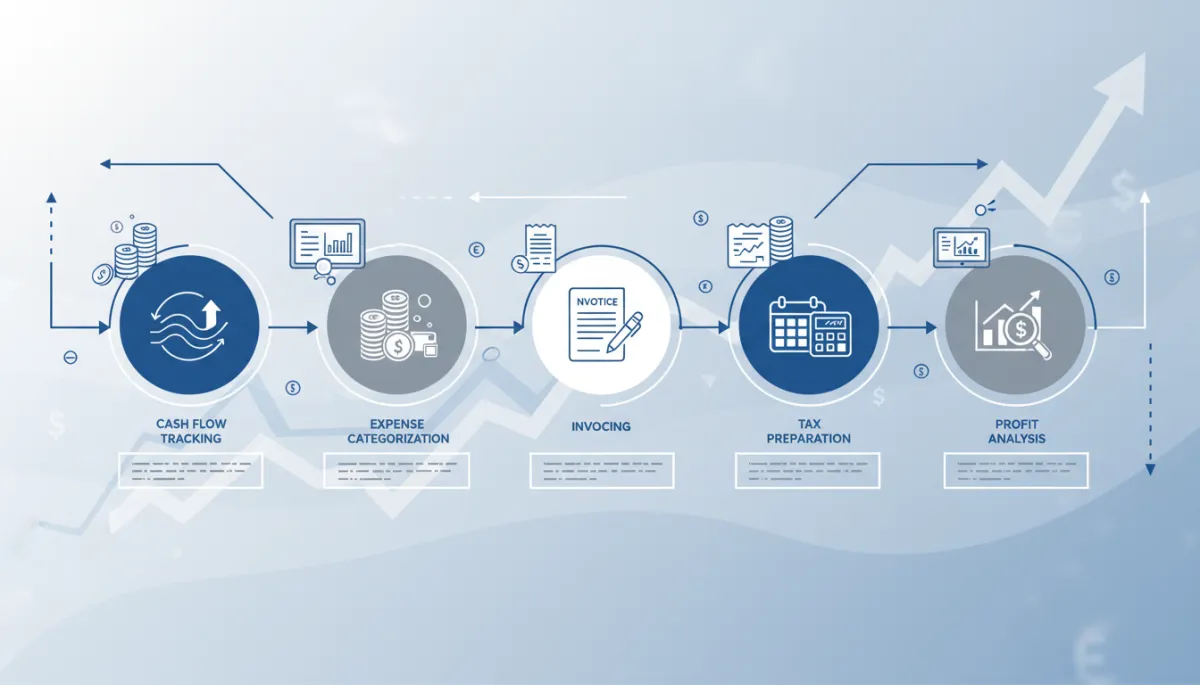
Engaging professional bookkeeping services can provide small business owners with the expertise needed to avoid common bookkeeping mistakes. These services can offer tailored solutions to streamline financial management. For more guidance on choosing the right support, see our article on outsourced bookkeeping vs. in-house teams and how each option impacts your bottom line.
What Benefits Do Small Businesses Gain from Expert Consultation?
Small businesses can benefit from expert consultation in several ways:
Personalized Support: Professional bookkeepers can provide tailored advice based on the specific needs of the business.
Expertise and Experience: Bookkeepers bring a wealth of knowledge and experience, helping to identify and rectify potential issues.
Cost Savings: Outsourcing bookkeeping can save time and resources, allowing business owners to focus on core operations.
Utilizing professional bookkeeping services can enhance financial accuracy and efficiency. If you are also concerned about staying compliant, you may find our guide on small business tax deadlines and checklists especially helpful.
A study published in the International Small Business Journal found that SMEs that regularly use external accounting advisors show higher survival rates and stronger profitability than those that manage finances entirely in-house.
How Does Outsourcing Bookkeeping Improve Financial Accuracy?
Outsourcing bookkeeping can improve financial accuracy by:
Implementing Best Practices: Professional bookkeepers are trained in best practices, reducing the likelihood of errors.
Providing Objective Insights: An external perspective can help identify issues that may be overlooked by internal staff.
Ensuring Compliance: Professional services can help ensure that all financial practices comply with current regulations.
By outsourcing bookkeeping, small business owners can enhance their financial management and reduce the risk of errors. To further strengthen your financial processes, explore our post on cash flow management strategies for small businesses and how they complement accurate bookkeeping.
📌 Key Takeaway: The Chartered Institute of Management Accountants (CIMA) reports that access to trained finance professionals helps SMEs move from reactive bookkeeping to proactive planning, improving decision quality and long‑term resilience.
About Calicia Landry

With over 15 years of bookkeeping experience, Calicia Landry is an Intuit Quickbooks Gold Level Pro Advisor and a Certified Intuit Quickbooks Payroll Pro Advisor. Her personalized approach focuses on building strong, long-term partnerships and understanding each business' unique needs. Connect with Calicia on LinkedIn to learn more about how she can help your business thrive.
📌 Key Takeaway: Across this guide, you’ve seen how expense misclassifications, missed bank reconciliations, weak record‑keeping, and DIY bookkeeping without the right tools or support can all erode profit, increase audit risk, and limit growth. By putting a few simple habits in place—consistent categorization, monthly reconciliations, organized documents, and modern accounting software—you can turn your books into a reliable decision‑making tool rather than a source of stress.
If you’re ready to stop worrying about what might be hiding in your numbers and start using your financials to plan confidently, now is the time to take action. Schedule a conversation with Calicia to review your current bookkeeping setup, identify your biggest risks, and map out a clear, practical plan for clean, compliant books going forward.
Whether you need a one‑time cleanup, ongoing support, or a second opinion on your existing processes, reach out today via LinkedIn or through her practice to take the next step toward accurate, stress‑free bookkeeping.


