
Understanding Payroll Errors: Consequences for Your Business
Understanding the Consequences of Payroll Errors on Business Efficiency and Employee Morale: Key Impacts and Prevention Strategies

Payroll errors can turn payday—the moment employees should feel most valued—into a source of frustration, distrust, and financial stress. A single missed overtime payment or miscalculated deduction doesn’t just affect the books; it can damage your company’s reputation, drain productivity, and quietly push your best people toward the exit. For more on how accurate records support this, explore our guide on best practices for bookkeeping.
These mistakes, ranging from miscalculations to compliance issues, can lead to financial losses and decreased productivity. Understanding the consequences of payroll errors is crucial for businesses aiming to maintain efficiency and foster a positive work environment. This article will explore the most common payroll errors, their effects on business efficiency and employee satisfaction, and effective strategies to prevent these issues. By addressing these challenges, companies can enhance their operational effectiveness and improve employee trust and engagement. To deepen your financial foundations, you may also want to review how clean books support cash flow planning in our article on why clean books matter for small businesses.
What Are the Most Common Payroll Errors Affecting Businesses?
Identifying common payroll errors is essential for businesses to mitigate risks and ensure smooth operations. Payroll discrepancies can arise from various sources, including human error, outdated software, and lack of training. If you’re still relying on spreadsheets, our post on transitioning from spreadsheets to accounting software offers a practical roadmap.
Identifying Frequent Payroll Mistakes and Their Causes
Some frequent payroll mistakes include:
Incorrect Employee Classification: Misclassifying employees as independent contractors can lead to tax liabilities. For a broader look at how misclassification affects your books and taxes, see our article on common small business bookkeeping mistakes.
Data Entry Errors: Simple typos in hours worked or pay rates can result in significant discrepancies.
Failure to Update Payroll Information: Not updating changes in employee status, such as promotions or terminations, can lead to overpayments or underpayments.
Understanding these common errors helps businesses implement better practices to avoid them. You can complement this by reviewing our checklist in the year-end bookkeeping checklist, which includes payroll-specific review steps.
How Payroll Discrepancies Lead to Financial and Operational Challenges
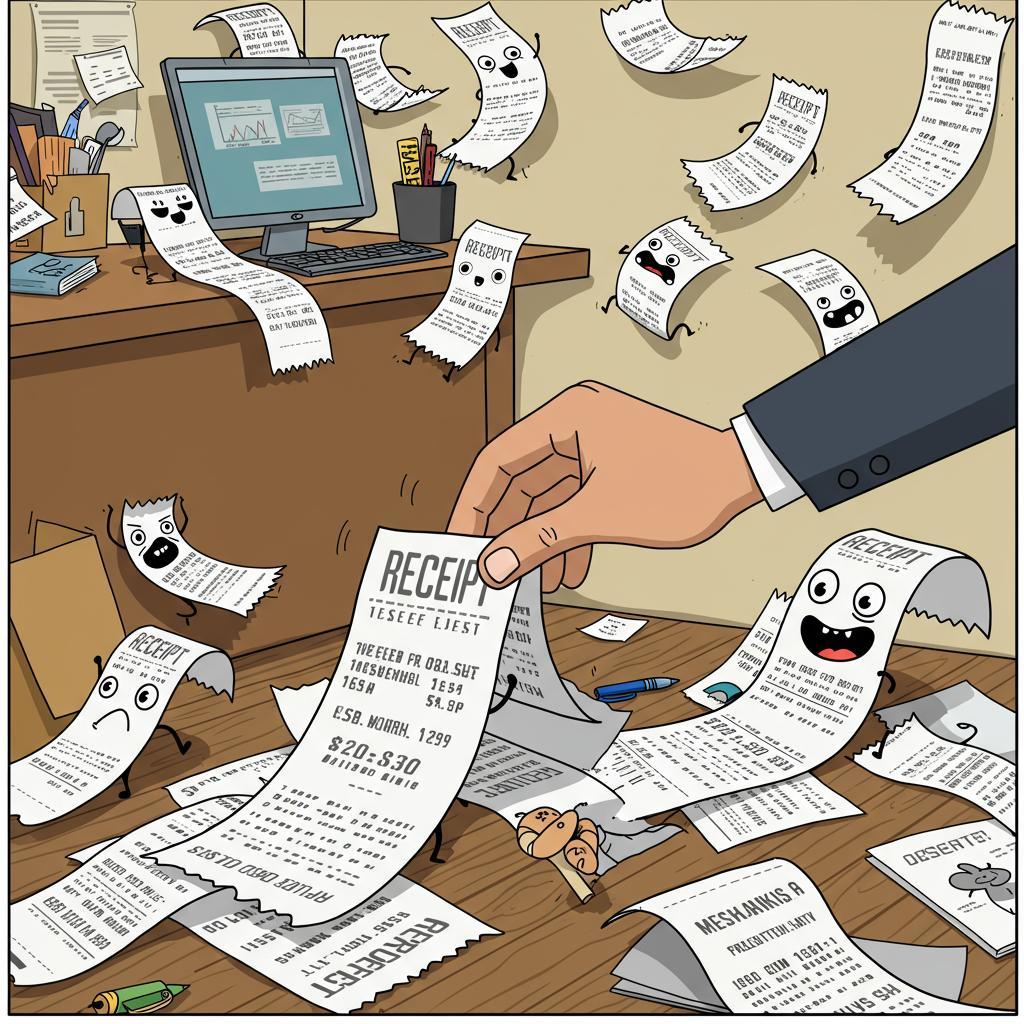
Payroll discrepancies can lead to various financial and operational challenges, including:
Increased Costs: Errors can result in overpayments, necessitating costly corrections.
Compliance Risks: Failing to adhere to payroll regulations can lead to fines and legal issues.
Operational Disruptions: Frequent payroll errors can divert resources from core business activities, affecting overall productivity.
Recognizing these challenges is vital for businesses to develop effective payroll management strategies. For a broader operational view, our post on how to read your profit and loss statement shows how payroll errors can quietly distort your financial reports.
How Do Payroll Errors Impact Business Efficiency and Financial Health?
Payroll errors can have profound effects on a company's financial health and operational efficiency. To see how this ties into your overall cash picture, you can pair this insight with our article on cash flow management tips for small businesses.
Quantifying the Financial Costs of Payroll Mistakes for Small Businesses
The financial implications of payroll mistakes can be significant for small businesses. Studies indicate that payroll errors can cost companies thousands of dollars annually due to:
Direct Financial Losses: Overpayments and penalties can accumulate quickly.
Administrative Costs: Time spent correcting errors diverts resources from productive tasks.
Employee Turnover: Financial discrepancies can lead to dissatisfaction, increasing turnover rates.
Understanding these costs is crucial for businesses to prioritize accurate payroll management. For more concrete examples of how small errors add up, see our breakdown in the hidden cost of bad bookkeeping.
Indeed, the potential for severe financial repercussions from payroll mismanagement is a critical concern, with some studies even highlighting the risk of financial ruin.
Payroll Internal Controls: Preventing Financial Ruin
often resulting in devastating financial consequences that can cripple operations or lead to bankruptcy. This study highlights common payroll mistakes and offers practical internal control tips.
Payroll Internal Controls: Ignoring Payroll Controls May Lead to Bankruptcy or Worse, 2025
Effects of Payroll Errors on Operational Productivity and Compliance
Payroll errors can also hinder operational productivity and compliance. For instance:
Time Loss Due to Errors: Employees may spend valuable time addressing payroll issues instead of focusing on their primary responsibilities.
Compliance Risks: Inaccurate payroll can lead to audits and penalties, further straining resources.
By recognizing these impacts, businesses can take proactive measures to enhance their payroll processes. A good next step is to align payroll reviews with your monthly close; our article on the month-end close checklist walks through how to build that rhythm.
In What Ways Do Payroll Mistakes Affect Employee Morale and Satisfaction?
Payroll mistakes can significantly affect employee morale and satisfaction, leading to broader implications for the workplace environment. To see how this connects with your overall financial culture, check out our piece on creating a financially savvy team.
Psychological and Retention Effects of Payroll Inaccuracies on Employees
Payroll inaccuracies can create psychological stress for employees, resulting in:
Trust Erosion: Frequent errors can lead employees to question the company's reliability.
Financial Stress: Inaccurate pay can cause financial strain, affecting employees' personal lives.
These factors can contribute to decreased job satisfaction and increased turnover. Improving payroll is often a key part of broader retention efforts, which we explore further in financial systems that support employee retention.
Linking Payroll Accuracy to Employee Trust and Workplace Engagement

Accurate payroll is essential for fostering employee trust and engagement. When employees receive their correct compensation on time, it enhances their sense of value within the organization. This connection between payroll accuracy and employee morale underscores the importance of effective payroll management. For leaders focused on culture, pairing this with our insights in financial transparency and team trust can be especially powerful.
What Are Effective Strategies to Prevent Payroll Errors and Enhance Accuracy?
Implementing effective strategies to prevent payroll errors is crucial for maintaining business efficiency and employee satisfaction. If you’re building your financial systems from the ground up, our article on building a scalable bookkeeping system offers a helpful framework.
Best Practices in Payroll Bookkeeping and Compliance Management
To enhance payroll accuracy, businesses should consider the following best practices:
Regular Training: Providing ongoing training for payroll staff ensures they are up-to-date with regulations and software.
Utilizing Technology: Implementing advanced payroll software can reduce human error and streamline processes.
Conducting Regular Audits: Periodic audits of payroll processes can help identify and rectify potential issues before they escalate.
These practices can significantly reduce the likelihood of payroll errors. For a more detailed walkthrough of these habits, see our companion post on best practices for bookkeeping.
The shift from manual to automated systems is a key strategy in this regard, as research consistently points to automation as a solution for reducing errors and inefficiencies.
Automating Payroll: Reducing Errors & Inefficiencies
Traditional payroll processes are often manual and time-consuming, leading to errors, delays, and inefficiencies. To overcome these challenges, organizations are increasingly adopting computerized payroll systems that automate payroll processing and improve accuracy.
AN ANALYTICAL STUDY OF PAYROLL SYSTEMS AND THEIR ROLE IN EFFICIENT EMPLOYEE COMPENSATION MANAGEMENT, 2026
How Professional Bookkeeping Services Mitigate Payroll Risks
Engaging professional bookkeeping services can further mitigate payroll risks. Companies like Cal The Bookkeeper offer comprehensive bookkeeping solutions designed to improve financial clarity and operational efficiency. By outsourcing payroll management, businesses can ensure accuracy and compliance, allowing them to focus on core operations. If you’re evaluating whether to outsource, our article on when to outsource your bookkeeping can help you decide.

With over 15 years of bookkeeping experience, Calicia Landry is an Intuit Quickbooks Gold Level Pro Advisor and a Certified Intuit Quickbooks Payroll Pro Advisor. Her personalized approach focuses on building strong, long-term partnerships and understanding each business' unique needs.
StrategyMechanismBenefitRegular TrainingKeeps staff updated on regulationsReduces errorsAdvanced SoftwareAutomates calculationsIncreases efficiencyPeriodic AuditsIdentifies discrepanciesEnhances accuracy
This table illustrates how implementing these strategies can lead to improved payroll management and reduced errors. For a more visual breakdown of similar strategies across your back office, see our post on streamlining your back office.
Beyond general automation, advanced technologies like artificial intelligence are proving to be highly effective in boosting payroll accuracy and compliance.
AI for Payroll: Boosting Accuracy & Compliance
The AI-integrated Oracle HCM system achieved a 27% reduction in payroll errors and a 35% decrease in manual audit interventions compared to baseline operations.
AI-Enhanced Payroll Optimization: Improving Accuracy and Compliance in Oracle HCM, KK Routhu, 2019
In conclusion, understanding the consequences of payroll errors is essential for businesses aiming to maintain efficiency and employee morale. By identifying common mistakes, recognizing their impacts, and implementing effective prevention strategies, companies can enhance their operational effectiveness and foster a positive work environment.
To recap the key takeaways:
Common payroll errors—like misclassification, data entry mistakes, and outdated records—directly increase costs and compliance risks.
These errors undermine business efficiency by consuming time, inviting audits, and diverting focus from strategic work.
Inaccurate or late pay erodes employee trust, morale, and retention, weakening your culture and employer brand.
Best practices—regular training, modern payroll software, periodic audits, and expert bookkeeping support—significantly reduce risk and improve accuracy.
📌 Key Takeaway: Payroll is not just a back-office task; it is a strategic function that shapes your financial stability and your employees’ day-to-day experience. To see how it fits into your broader financial strategy, consider reading our overview of essential financial reports for small business owners.
Now is the time to act. Don’t wait for a costly mistake, audit, or wave of employee frustration to reveal weaknesses in your payroll process. Take a proactive step by conducting a focused review of your current system:
Audit your last few payroll runs for accuracy, timeliness, and compliance gaps.
Evaluate your tools and processes—are you still relying on manual spreadsheets or outdated systems?
Decide where expert support can help, whether that’s automation, AI-enabled solutions, or partnering with a professional bookkeeper.
If you’re unsure where to start, consider scheduling a conversation with a payroll and bookkeeping professional, such as Cal The Bookkeeper, to assess your current system and design a roadmap toward accurate, compliant, and employee-friendly payroll operations. You can also prepare for that conversation by reviewing the questions we outline in questions to ask before hiring a bookkeeper.


