
Master Clermont FL Sales Tax for Your Small Business
Sales Tax, Small Business, Clermont FL
Clermont Sales and Use Tax Explained for Small Businesses: Complete Guide to Compliance and Bookkeeping

By Calicia Landry, Cal The Bookkeeper
Understanding sales and use tax is crucial for small businesses operating in Clermont, Florida. Compliance with local regulations not only avoids costly penalties but also fosters trust and reliability with customers and stakeholders. According to the Florida Department of Revenue (FDR), sales and use tax is one of the most frequently audited areas for small businesses in the state. This comprehensive guide sheds light on the intricacies of Clermont sales and use tax, detailing definitions, registration processes, and best practices for efficient bookkeeping. From understanding the specific taxation rules to avoiding audits, small business owners will find actionable insights to navigate this essential aspect of their operations. This article will cover Florida's tax rates, registration processes, bookkeeping practices, audit avoidance strategies, and resources for expert assistance.
“Small businesses that integrate tax compliance into their daily workflow are significantly less likely to face penalties or disruptive audits.”
— American Institute of CPAs (AICPA), Small Business Tax Compliance Report
What Are the Florida Sales Tax Rates and Clermont-Specific Rules for Small Businesses?
Florida imposes a sales tax rate that varies by county, with Clermont having specific considerations for small businesses. The base rate in Florida is currently set at 6%, and as of January 1, 2023, Lake County imposes an additional local tax of 1.5%, making the total sales tax rate in Clermont 7.5%. Understanding these rates and the local nuances is vital for compliance and budgeting.
📌 Key Takeaway: The combined Clermont rate of 7.5% (6% state + 1.5% local) should be built into your pricing, cash flow projections, and bookkeeping system so you never under-collect or overpay.
How Are Sales and Use Taxes Defined Under Florida Law and Clermont Regulations?
Sales tax in Florida is defined as a tax levied on the sale of tangible personal property and certain services. For Clermont, the sales tax laws specify that businesses must collect tax at the point of sale for both goods and some services. Use tax applies when taxable items are purchased without paying Florida sales tax and then used, stored, or consumed in the state. This understanding of definitions helps small business owners stay in compliance and avoid misunderstandings regarding taxable transactions.
“If you buy a taxable item for your business and no Florida sales tax is charged, you are generally responsible for reporting and paying use tax.”
— Florida Department of Revenue, Sales and Use Tax (GT-800013)
Which Products and Services Are Taxable or Exempt in Clermont?
In Clermont, many products and services are subject to sales tax, including retail sales of tangible goods, certain services, and rental of tangible personal property. However, exemptions exist for specific items such as certain food products, prescription medicines, and certain educational services. Businesses must be aware of these exemptions to accurately charge sales tax and possibly save on costs.
💡 Pro Tip: The Florida Department of Revenue’s Sales and Use Tax brochures list common taxable and exempt items. Keeping a printed or bookmarked copy near your point-of-sale system can prevent on-the-spot mistakes.
How Do Small Businesses Register and File Sales Tax in Clermont?
Registering for and filing sales tax in Florida is a systematic process that every small business must undertake to remain compliant. Failure to do so can lead to fines and operational challenges.
What Is the Step-by-Step Sales Tax Registration Process with Florida Department of Revenue?
Gather Required Documentation: This includes proof of business entity registration and identification numbers.
Online Application: Complete the sales tax registration form available on the Florida Department of Revenue's website.
Receive a Sales Tax Certificate: After processing the application, the state will issue a sales tax certificate, allowing businesses to collect sales tax.
Following this structured process ensures that businesses are registered properly and equipped to collect and remit tax.
“You must register before you begin business operations in Florida that require you to collect or remit sales and use tax.”
— Florida Department of Revenue, Registration and Account Maintenance
When Are Clermont Sales Tax Filing Deadlines and Required Documentation?
Filing deadlines for sales tax in Clermont typically occur on a monthly or quarterly basis, depending on the business's tax volume. Businesses must submit the appropriate tax returns along with payment by the due date to avoid penalties. Required documentation may include the sales tax return form and records of all sales transactions, supporting accurate reporting and compliance.
⚠️ Warning: The Florida Department of Revenue notes that late filing can result in a minimum $50 penalty, even if no tax is due. Setting automated calendar reminders or using accounting software alerts can help you stay on track.
What Are Best Bookkeeping Practices for Managing Clermont Sales and Use Tax Efficiently?
Integrating effective bookkeeping practices is essential for managing sales tax in Clermont. This ensures accurate tax calculation, timely filing, and easy retrieval of information during audits.
How Can Small Businesses Integrate Sales Tax Compliance Into Daily Bookkeeping Workflows?
Using Accounting Software: Leverage software equipped with sales tax functionalities to automate calculations and keep track of changes.
Employee Training: Regular training sessions for staff on sales tax laws and compliance ensure everyone is informed about processes.
Consistent Record-Keeping: Maintaining organized records of all sales transactions helps in efficient reporting and reduces errors.
“Businesses that maintain accurate, contemporaneous records are in a far stronger position if they are selected for a sales tax audit.”
— Journal of Accountancy, Sales Tax Audit Readiness Guide
Which Tools and Records Ensure Accurate Sales Tax Calculation and Reporting?
Utilizing the right tools can significantly ease the burden of sales tax management. Commonly used tools include:
Accounting Software: Programs like QuickBooks and Xero offer built-in sales tax calculation features.
Sales Tax Management Tools: Tools like Avalara automate the tax compliance process, retrieving real-time changes in tax rates.
Digital Records: Keeping digital copies of transactions allows for easy access during audits and simplifies filing.
These practices help ensure that small businesses manage their sales tax obligations accurately and efficiently.
📌 Key Takeaway: The National Small Business Association reports that over one-third of small firms spend more than 40 hours per year on federal and state tax compliance. Automating sales tax workflows can dramatically reduce this time burden.
How Can Clermont Small Businesses Avoid Audits and Penalties for Sales and Use Tax?
Avoiding audits and penalties surrounding sales tax compliance requires vigilance and adherence to established guidelines.
What Are Common Causes of Florida Department of Revenue Sales Tax Audits?
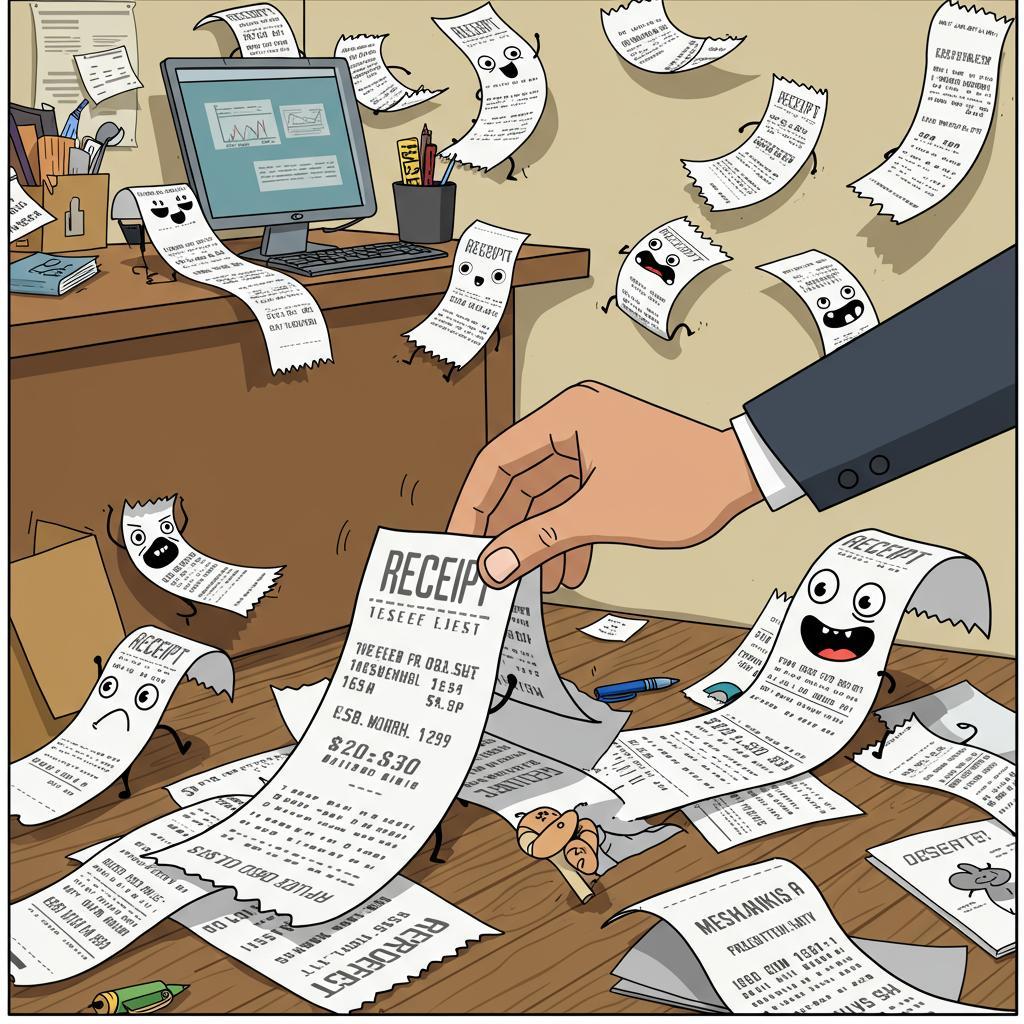
Common triggers for sales tax audits in Florida include discrepancies between collected tax and reported sales, failure to collect tax on taxable items, and previous audit findings. Recognizing these triggers helps businesses conduct internal reviews to ensure compliance.
“States increasingly rely on data analytics to identify anomalies in reported sales tax, such as sudden drops in taxable sales or inconsistent filing patterns.”
— Tax Foundation, Trends in State Sales Tax Enforcement
Which Compliance Strategies Reduce Risks of Fines and Late Fees?
Regular Consultations with Tax Experts: Engaging tax professionals can provide valuable insights and ensure compliance with evolving tax laws.
Thorough Record Keeping: Keeping meticulous records of all transactions, tax collected, and remitted activities can safeguard against discrepancies.
Stay Informed on Tax Law Changes: Regularly updating knowledge on tax regulations can help businesses adapt to any changes promptly.
💡 Pro Tip: The FDR offers free email updates and publications on sales and use tax changes. Subscribing ensures you hear about rate changes and new exemptions before they affect your invoices.
What Sales Tax Exemptions Are Available to Clermont Small Businesses and How to Claim Them?
Various exemptions can benefit businesses significantly by reducing their tax liability. It is important for small businesses in Clermont to be aware of these exemptions and the process to claim them.
Which Items and Transactions Qualify for Florida Sales Tax Exemptions in Clermont?
Sales of Food Items: Grocery sales often fall under exempt categories.
Educational Services: Certain educational institutions and services may be exempt from sales tax.
Resale Purchases: Items purchased specifically for resale can be exempt when supported by the proper documentation.
Understanding these exemptions ensures small businesses can effectively manage their operations and reduce costs.
“Properly documented exemption and resale certificates are a business’s first line of defense during a sales tax audit.”
— Avalara, Sales Tax Compliance Best Practices
How Do Businesses Properly Document and Report Exempt Sales?
Maintaining Exemption Certificates: Businesses must collect and retain exemption certificates from customers claiming exemptions.
Using Specific Codes: Clearly documenting exempt items with appropriate codes in accounting systems aids in accurate tax reporting.
Conducting Annual Reviews: Regularly reviewing exemption claims and documentation helps ensure compliance and may prevent future issues.
📌 Key Takeaway: Many states, including Florida, can disallow undocumented exemptions during an audit, which means you could owe back taxes plus penalties even if the sale was legitimately exempt.
Where Can Small Businesses in Clermont Find Expert Help for Sales Tax Compliance?
Seeking expert assistance is an effective strategy for navigating the complexities of sales tax compliance.
How Does Cal The Bookkeeper Support Clermont Businesses With Sales Tax Bookkeeping?
Cal The Bookkeeper has over 15 years of experience managing small business accounts, including payroll systems and sales and use tax filing. This expertise ensures that businesses receive tailored support that accommodates their unique needs and enhances compliance with tax regulations. Clermont owners who want to go deeper into day-to-day compliance can also review practical guidance in Essential Sales Tax Tips for Clermont Business Owners and a step-by-step breakdown in How to Navigate Clermont Sales and Use Tax Regulations, or explore dedicated support services at Cal The Bookkeeper Sales and Use Tax.
“For many small businesses, partnering with a qualified bookkeeper or tax professional is the most cost‑effective way to stay compliant with complex state and local tax rules.”
— National Federation of Independent Business (NFIB), Small Business Tax Survey
What Are Benefits of Scheduling a Free Consultation for Personalized Tax Management?
Personalized Guidance: Business owners receive direct advice tailored to their specific circumstances and needs.
Identification of Savings: Experts can identify potential tax exemptions or credits that businesses might overlook, saving substantial amounts.
Strategies for Compliance: Clients benefit from strategies that help avoid audits and streamline their tax processes.
By leveraging expert assistance, small businesses can navigate the complexities of sales tax with confidence.


