
Master Florida Sales Tax: Clermont's Guide for Success
Essential Sales Tax Tips for Clermont Business Owners: Your Complete Florida Small Business Compliance Guide

By Calicia Landry, Cal The Bookkeeper
Navigating sales tax regulations can be a daunting task for any business owner, particularly in Clermont, Florida. Sales tax compliance is crucial for maintaining the legality and financial health of your business. Understanding the intricacies of sales tax obligations will empower Clermont business owners to avoid costly mistakes and ensure their businesses thrive. In this article, we will outline essential sales tax tips, covering everything from key obligations and filing processes to exemptions and audit preparation. These insights will help you manage your sales tax responsibilities effectively. For a deeper dive into local rules, you can also review Clermont sales and use tax explained for small businesses and this detailed guide on how to navigate Clermont sales and use tax regulations.
What Are the Key Sales Tax Obligations for Clermont Business Owners?
Understanding the sales tax obligations is fundamental for compliance among Clermont business owners. In Florida, sales tax is levied on the sale of tangible personal property and specific services. This tax is not only a legal requirement but also impacts the pricing strategy and profit margins of businesses. Complying with local sales tax regulations ensures that businesses avoid penalties and foster trust with customers as law-abiding entities. Therefore, grasping the nuances of application, rates, and implications is essential for every business owner in Clermont. You can find an overview of related services at Cal The Bookkeeper’s sales and use tax page.
How Does Florida State Sales Tax Apply to Small Businesses in Clermont?
Florida imposes a state sales tax rate of 6% on most goods and services. However, specific exemptions exist for certain items, such as groceries and prescription medications. As a small business owner in Clermont, it is essential to understand how these rules apply to your operations. For instance, if you operate a retail store, you must collect sales tax from customers at the point of sale, remitting it to the Florida Department of Revenue. This process helps maintain state revenue while ensuring compliance for your business.
Which Local Sales Tax Rules and Rates Affect Clermont Businesses?
In addition to the state sales tax, local municipalities in Florida may impose additional sales tax rates. For Clermont, the total sales tax rate, including state and local taxes, is 7%. This additional 1% local tax can affect your pricing strategies and competitiveness. Therefore, staying informed about these regulations allows business owners to adjust their prices accordingly while maintaining compliance.
How to Accurately Track and File Sales Tax for Your Clermont Business?
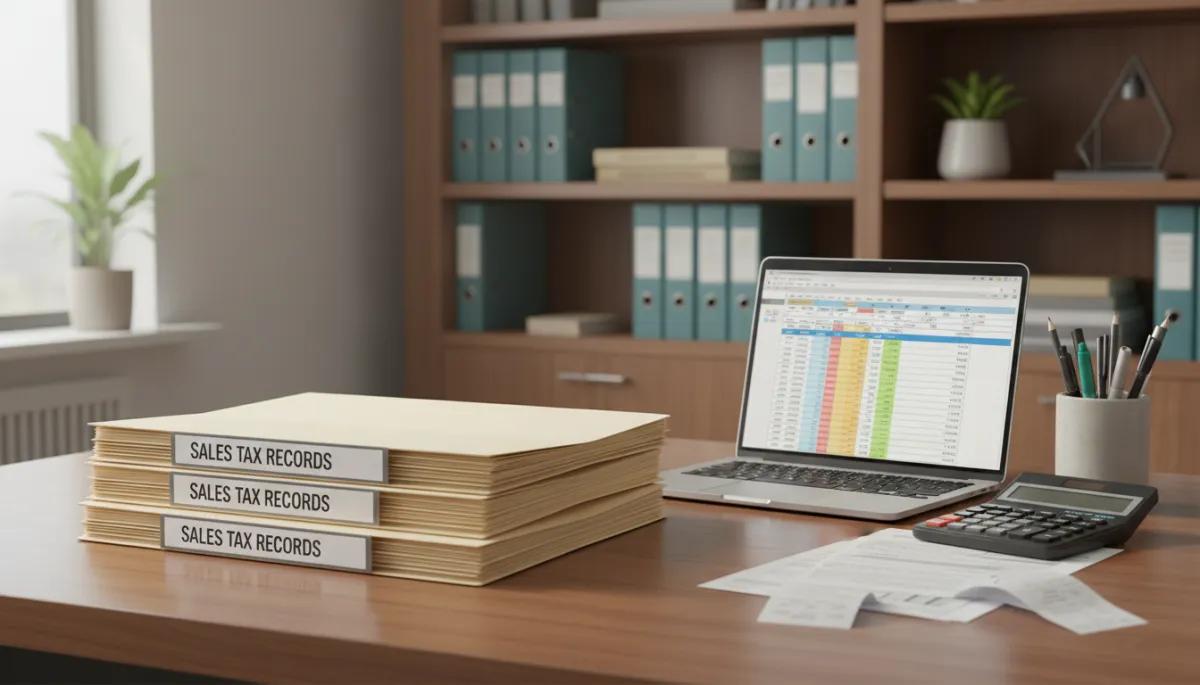
Accurate tracking and timely filing of sales tax are crucial for business compliance. Implementing effective methods for keeping sales tax records reduces risks associated with audits and penalties. Engaging bookkeeping services can further ensure that your sales tax obligations are met reliably. Following a structured process to track and file sales tax will simplify compliance and reduce potential errors in reporting.
What Is the Step-by-Step Sales Tax Filing Process in Clermont?
Filing sales tax in Clermont follows a systematic process that can be broken down into key steps:
Collect Sales Tax: Ensure you collect the appropriate amount of sales tax at the point of sale based on current state and local rates.
Maintain Accurate Records: Document all sales transactions, including the sales tax collected, to facilitate accurate reporting.
File Returns: File your sales tax returns with the Florida Department of Revenue on a timely basis according to your reporting schedule—monthly, quarterly, or annually, depending on your sales volume.
Remit Payment: Pay the total sales tax due at the time of filing your return.
Following this process helps ensure that you stay compliant without the challenges of last-minute preparation.
How Can Bookkeeping Services Ensure Your Sales Tax Records Are Precise?

Employing professional bookkeeping services can tremendously aid in maintaining accurate sales tax records. Bookkeeping experts utilize advanced technologies to track transactions effectively and ensure timely filings. This accuracy not only mitigates the risk of errors but also helps capture all eligible deductions. By outsourcing your bookkeeping, you allow your business to focus on growth while leaving compliance-related duties in capable hands. To see how this support can extend specifically to sales and use tax, explore Cal The Bookkeeper’s dedicated sales and use tax services.
Which Sales Tax Exemptions and Credits Can Clermont Businesses Use?
Various exemptions and credits may be available to help Clermont business owners reduce their tax burden. Understanding these can lead to significant savings and compliance efficiency.
What Types of Sales Tax Exemptions Are Available in Florida and Clermont?
Businesses in Florida, including Clermont, can benefit from several types of sales tax exemptions. Notable exemptions include:
Resale Exemption: Retailers purchasing goods for resale can obtain a resale certificate that exempts them from paying sales tax when buying inventory.
Manufacturing Exemptions: Certain businesses engaged in manufacturing may qualify for exemptions on machinery and equipment purchases.
Agricultural Exemptions: Items sold to agricultural producers for use in their trade may also be exempt from sales tax.
These exemptions can significantly reduce operating costs, making it crucial for business owners to understand eligibility.
How to Qualify and Apply for Sales Tax Credits for Your Business?
To qualify for sales tax credits, businesses must follow specific application procedures that generally include:
Research Eligibility: Understand which credits apply to your business type and operations.
Document Proof: Gather necessary documents detailing qualifying purchases or expansions.
Submit an Application: Complete the application process with supporting documentation for the relevant taxation authority.
Navigating this process can yield financial rewards, ensuring that businesses maximize their potential credits.
What Are the Important Sales Tax Deadlines and Penalties Clermont Owners Must Avoid?
Keeping track of sales tax deadlines is vital for avoiding administrative penalties and interest charges. Failing to meet these deadlines can have significant consequences for business operations.
When Are the Sales Tax Filing Deadlines for Clermont Small Businesses?
Sales tax filing deadlines in Clermont vary based on business volume and the reporting frequency chosen. Businesses typically file monthly, with deadlines being the 20th of the month following the end of each month. Remember, if you miss a filing deadline, penalties accumulate, leading to a greater financial burden over time. To mitigate these risks, utilize calendars or digital reminders to stay aware of upcoming deadlines.
What Penalties Could Result from Late or Incorrect Sales Tax Filing?
Penalties for late or incorrect sales tax filing can be severe. The state may impose:
Late Fees: Fixed penalties for delayed submissions can increase the longer payment is overdue.
Interest Charges: Accumulating interest on any unpaid taxes increases the total amount owed.
Possible Legal Action: Persistent failure to comply can result in further legal consequences, jeopardizing your business's operation.
Establishing a solid filing routine is the best defense against these penalties.
How to Prepare Your Clermont Business for a Sales Tax Audit?
Preparing for a sales tax audit can be daunting; however, taking proactive steps helps ensure a smoother process. Knowing what auditors look for can ease the stress of this experience.
What Documentation and Records Are Essential for Sales Tax Audits?
Maintaining comprehensive documentation is critical for audit preparedness. Essential records include:
Sales Invoices: Detailed sales transactions showing sales tax collected.
Purchase Receipts: Proof of purchases made, especially for exemption qualifications.
Resale Certificates: Documentation for exempt purchases and resale transactions.
These records ensure transparency and can substantiate your compliance efforts during an audit.
How Does Professional Bookkeeping Reduce Audit Risks and Streamline Compliance?
Professional bookkeeping services can dramatically reduce audit risks by ensuring accurate record-keeping practices. By leveraging technology and industry expertise, bookkeeping professionals can help your business maintain detailed and accurate financial records. This expertise not only enhances compliance but also allows for a thorough understanding of possible audit triggers, enabling businesses to mitigate risks effectively.
Why Schedule a Free Consultation with Cal The Bookkeeper for Your Clermont Business?
Engaging professional bookkeeping assistance is a significant step toward achieving sales tax compliance. Many business owners often find themselves overwhelmed by the administrative burden involved. A free consultation with Cal The Bookkeeper can provide tailored insights into sales tax management strategies that meet your specific business needs.
How Does Cal The Bookkeeper Tailor Sales Tax Assistance to Clermont Business Needs?
Cal The Bookkeeper is adept at understanding the unique challenges faced by Clermont business owners. By offering personalized services, the team ensures that your sales tax compliance is not merely a checkbox but a streamlined part of your operational framework. With localized expertise, they help navigate the complexities of both state and local tax regulations.
What Client Success Stories Demonstrate Reliable Sales Tax Support?
Cal The Bookkeeper has assisted numerous Clermont businesses in managing their sales tax obligations effectively, leading to notable improvements in organization and compliance. Testimonials from satisfied clients highlight increased accuracy in record-keeping and a significant reduction in penalties due to previous errors. Engaging their services empowers business owners to focus on growth while knowing that their sales tax duties are in expert hands.


