
Master Clermont Sales Tax for Your Small Business
How to Navigate Clermont Sales and Use Tax Regulations for Small Business Compliance

By Calicia Landry, Cal The Bookkeeper
Navigating sales and use tax regulations can be a daunting task for small businesses, especially in Clermont, Florida. Understanding these regulations is crucial for ensuring compliance and avoiding penalties. In this comprehensive guide, we will cover the essentials of Clermont sales tax requirements, the registration process, and important compliance guidelines. Many small business owners struggle with tax-related issues, leading to financial stress and complications. Our goal is to equip you with the information needed to effectively manage your sales and use tax responsibilities. We will discuss the key requirements, how to register your business, the guidelines for use tax, and best practices for bookkeeping and audits—all designed to help you stay compliant and informed.
What Are the Key Clermont Sales Tax Compliance Requirements?
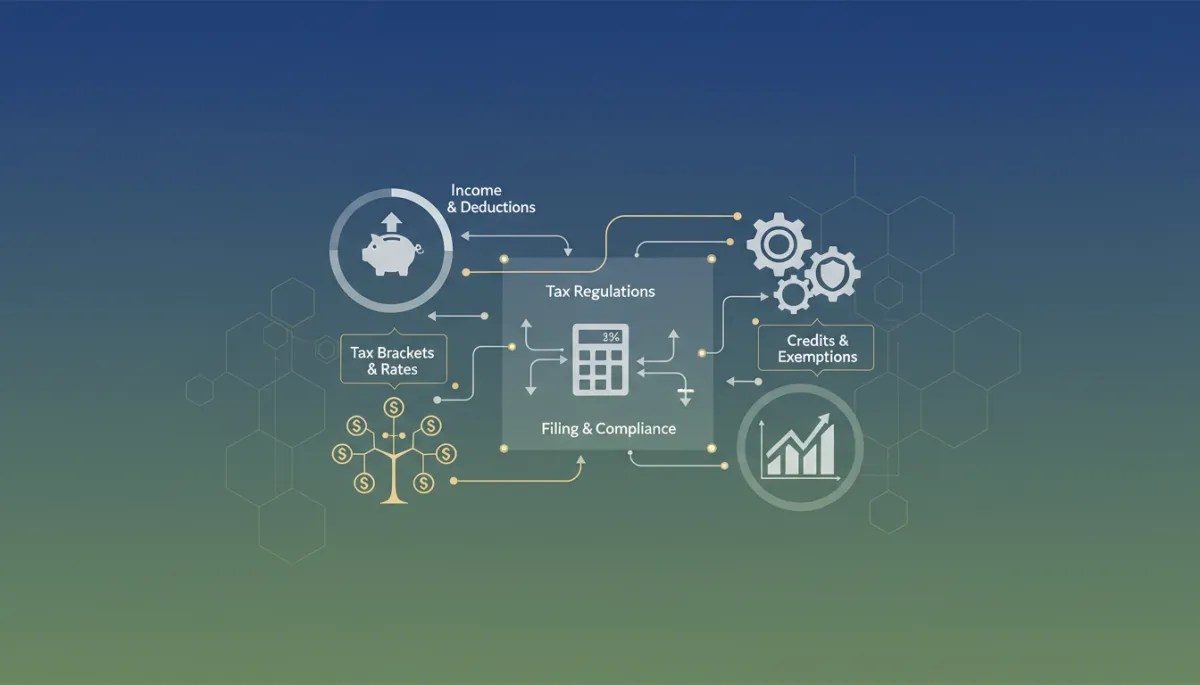
Understanding the key compliance requirements is essential for small businesses operating in Clermont. Sales tax compliance refers to the obligation of businesses to collect and remit sales tax on applicable transactions. Failure to do so can result in penalties and interest charges.
Who Must Collect and Remit Sales Tax in Clermont?
In Clermont, any business making retail sales of tangible personal property is required to collect and remit sales tax. This includes businesses operating brick-and-mortar stores, online retailers, and service providers that sell items subject to sales tax. It is important for business owners to familiarize themselves with the criteria determining who must collect sales tax to ensure compliance with local regulations.
What Are the Current Local Sales Tax Rates and Deadlines?
Currently, the sales tax rate in Clermont is 6.5% on most transactions, although specific goods may be taxed at higher rates. Deadlines for remitting collected sales tax typically fall on the 20th of the month following the end of the reporting period. Businesses that fail to remit on time may face additional fines or interest on unpaid balances, making timely compliance essential.
How to Register Your Small Business for Florida Sales and Use Tax
Registering your business for Florida sales and use tax is a necessary step in ensuring compliance. Proper registration allows you to collect sales tax from customers and remit it to the state.
What Is the Process for Clermont Tax Registration Requirements?

To register for sales tax in Clermont, business owners must complete the Florida Department of Revenue's online application. This process involves providing detailed information about the business, including its legal structure, ownership details, and expected sales volume. After submission, businesses can receive a Certificate of Registration, which permits them to collect sales tax. For a step-by-step overview tailored to local businesses, you can review Cal The Bookkeeper’s sales and use tax resource and the Clermont-focused guide, Clermont Sales and Use Tax Explained for Small Businesses.
Which Business Types Are Required to Register?
Various types of businesses must register for sales tax collection in Florida, including retailers, wholesalers, and service providers. Exemptions may apply to certain non-profit organizations or educational institutions, but most for-profit enterprises will need to secure registration to comply with state tax laws. If you are unsure whether your business must register, review these essential sales tax tips for Clermont business owners or consult directly with a tax professional.
What Are the Florida Use Tax Compliance Guidelines for Clermont Businesses?
Use tax in Florida applies to taxable items that are purchased without sales tax, such as out-of-state purchases. Understanding and adhering to use tax guidelines is crucial for maintaining compliance.
How Does Florida Use Tax Differ from Sales Tax?
Use tax is levied on goods purchased outside of Florida for use within the state, effectively ensuring that items acquired without sales tax are still taxed. While sales tax is collected at the time of purchase, use tax must be self-reported by the buyer. Failure to remit use tax can result in significant penalties, making awareness of the differences essential.
When and How to File Florida Use Tax Returns?
Businesses are required to file use tax returns on a quarterly basis or annually, depending on their total sales volume. Filing involves reporting the amount of use tax due and remitting payment to the Florida Department of Revenue. Many businesses utilize accounting software to simplify this process and avoid missing deadlines.
How to Maintain Accurate Bookkeeping for Clermont Sales and Use Tax Reporting
Accurate bookkeeping is fundamental for ensuring compliance with sales and use tax regulations. Regular maintenance of financial records helps businesses track income and expenses effectively.
What Bookkeeping Practices Ensure Reliable Tax Compliance?
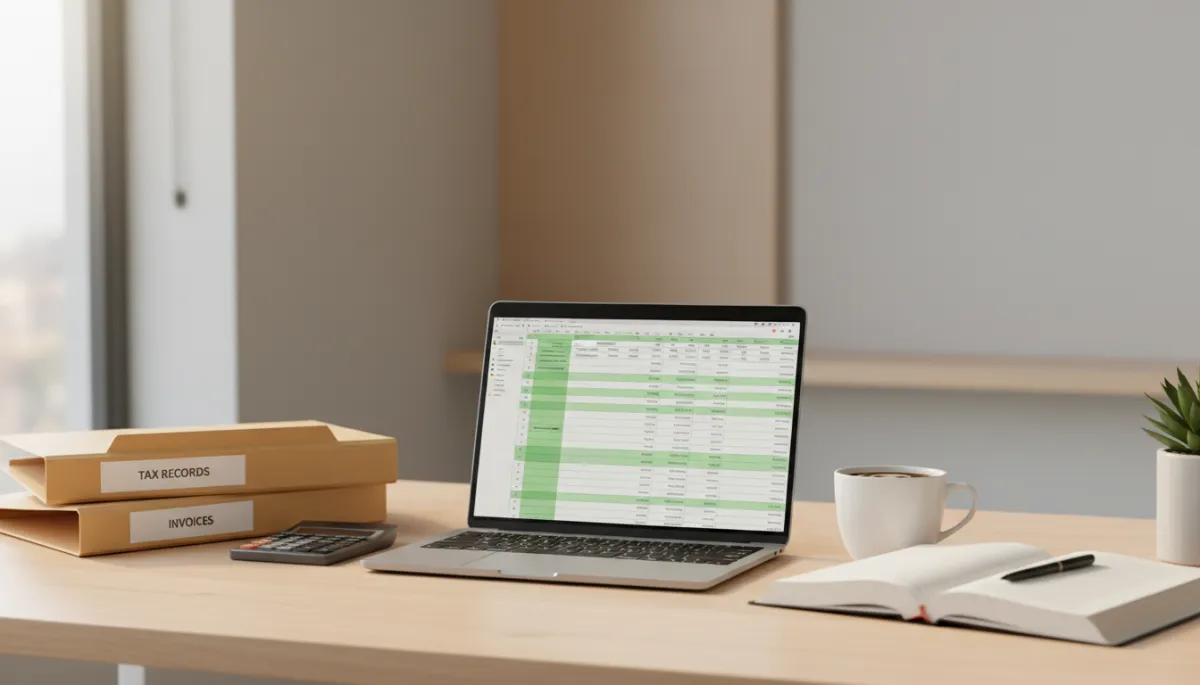
Implementing certain bookkeeping practices can significantly enhance a business's ability to remain compliant. These practices include daily tracking of transactions, maintaining organized financial statements, and utilizing accounting software to automate tax calculations. Businesses should also keep detailed records of sales to ensure that they can accurately report and remit taxes owed.
The integration of professional bookkeeping services can streamline these practices and ensure ongoing compliance.
How Can Bookkeeping Services Simplify Your Tax Filing Process?
Utilizing professional bookkeeping services can significantly simplify the tax filing process for small businesses in Clermont. Experienced bookkeepers have knowledge of the latest tax regulations and can help businesses navigate the complexities of tax compliance. By outsourcing bookkeeping tasks, business owners can focus more on growth and less on administrative burdens.
How to Handle and Prepare for Clermont Sales and Use Tax Audits
Preparation for potential sales and use tax audits is an essential part of business operations. Understanding common triggers and having a plan in place can alleviate stress during an audit.
What Triggers a Florida Use Tax Audit?
Triggers for an audit may include discrepancies in reported income, high-risk indicators such as inconsistent reporting practices, or unexplained fluctuations in sales numbers. Regularly reviewing records can help identify potential issues before they lead to an audit.
What Are Best Practices for Audit Preparation and Defense?
To prepare for a tax audit, businesses should ensure that all financial records are organized and readily available. This includes maintaining clear documentation for all transactions and remittance of sales tax. Consulting with tax professionals can provide additional support and strategies for defense during an audit.
What Penalties Exist for Non-Compliance and How to Avoid Them in Clermont?
Understanding the penalties for non-compliance is vital for any business aiming to stay compliant. Non-compliance can lead to financial penalties based on unpaid taxes, interest rates, and even legal action.
What Are Common Penalties for Sales and Use Tax Violations?
Penalties for sales and use tax violations can be severe, including fines based on the total amount of taxes owed and additional interest penalties for late payments. The Florida Department of Revenue may assess penalties for late remittance, which can accumulate quickly for continued non-conformance.
How Can Businesses Proactively Prevent Tax Penalties?
Businesses can prevent tax penalties by implementing a proactive compliance strategy. This includes maintaining accurate records, identifying sales tax obligations, and engaging with professional tax services when necessary. Regular training for employees involved in financial management can also help foster a culture of compliance.
In summary, navigating Clermont's sales and use tax regulations may appear complex, but with proper knowledge and resources, small businesses can ensure compliance and avoid unnecessary penalties. By understanding your obligations, registering correctly, maintaining accurate records, and preparing for potential audits, you create a solid financial foundation for your company. When in doubt, partnering with a professional bookkeeper or tax specialist can turn sales and use tax from a source of anxiety into a manageable, repeatable process that protects your business and supports long-term growth.


